Move 01
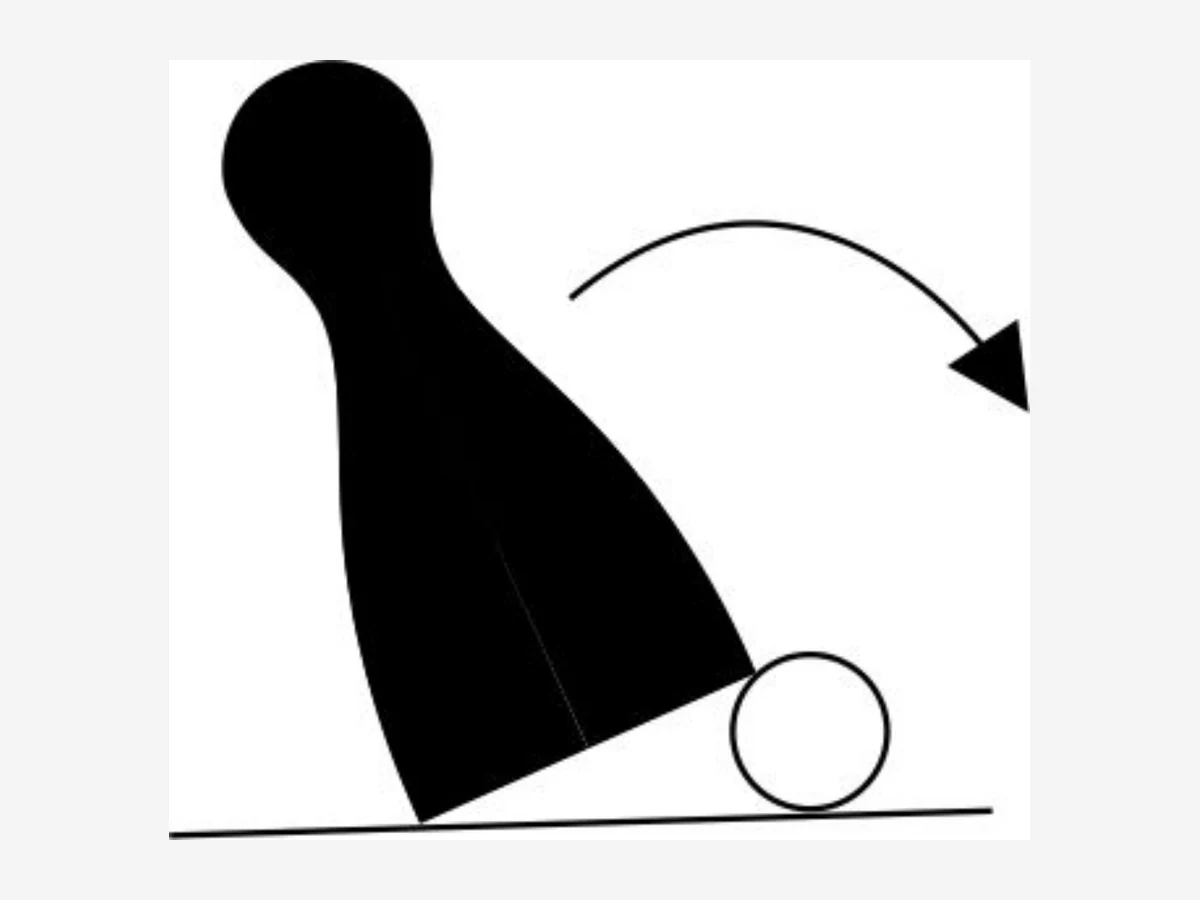
Push
The lower edge of the figure presses on the ball from above. This brings the ball into play in a controlled and precise way.
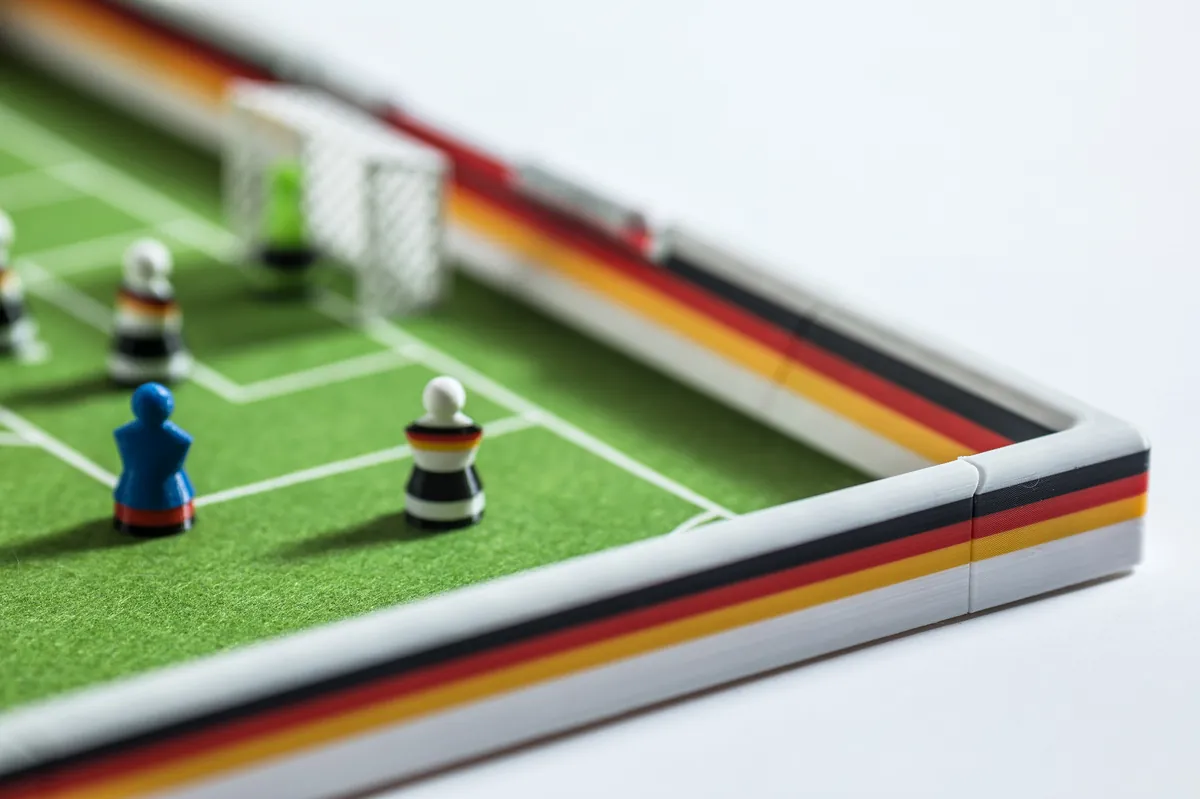
Here you will find the full Footballec rules — compact, clear and close to the original way of playing.
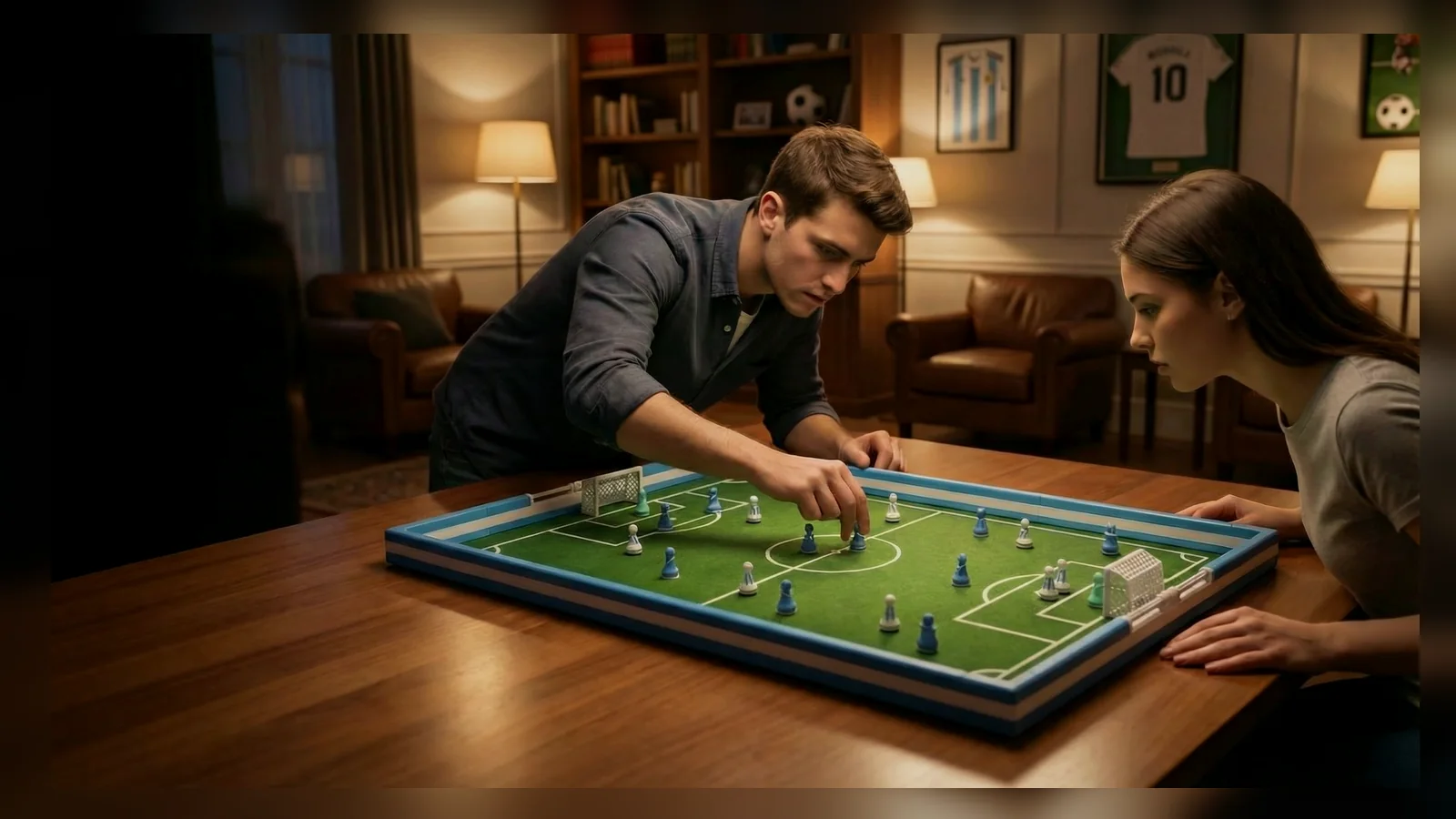
No classic foosball table. No rods. The figure plays the ball through push, strike and a controlled throw-in.
Understood in 60 seconds.
The lower edge of the figure presses on the ball from above. This brings the ball into play in a controlled and precise way.
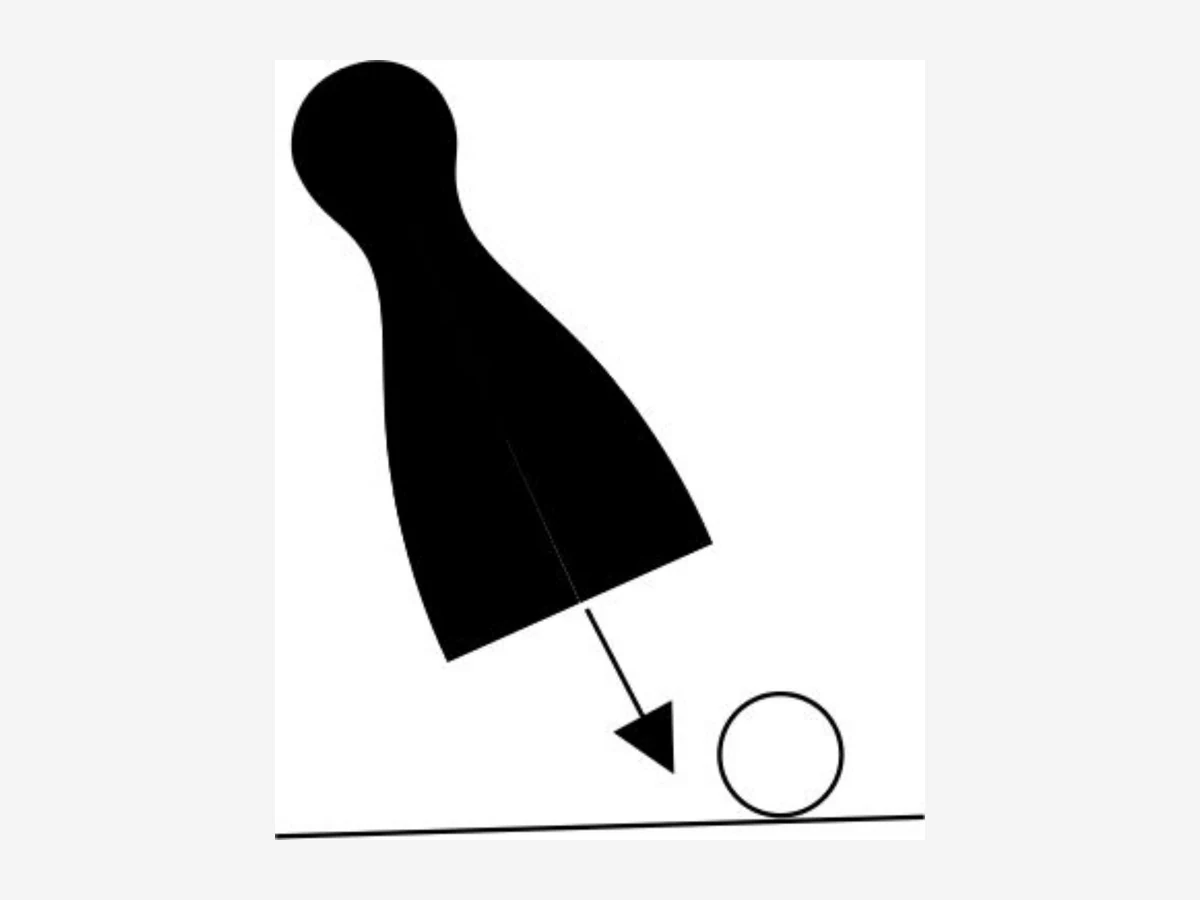
The ball is played with the lower edge of the figure from about 2–4 cm above the surface at an angle of roughly 45°. That is how passes and finishes are created.
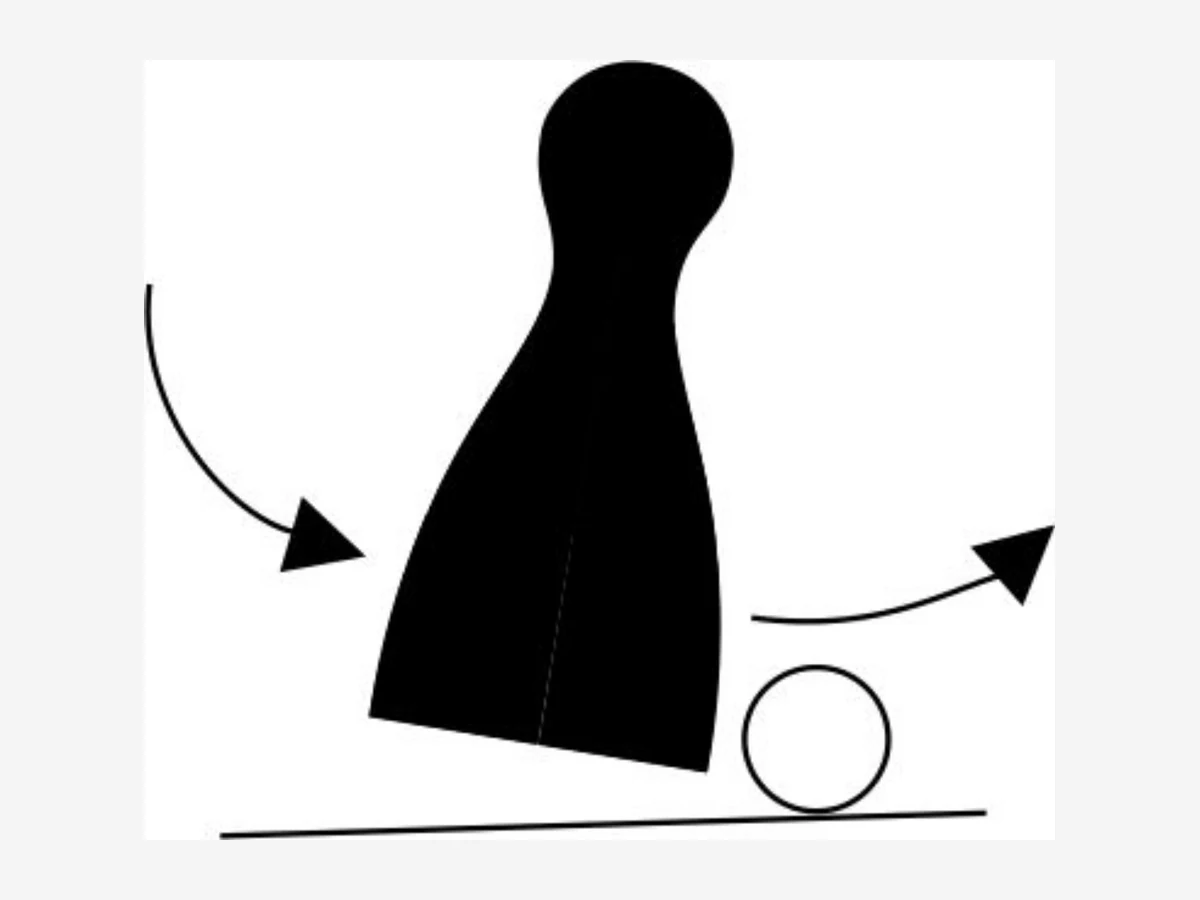
Flicking is not the normal way to play. It is only allowed for throw-ins and helps to bring the ball back into play cleanly.
Before moving into the detailed rules, you can see the whole flow here — from setup to the first moves.
Before kick-off, the figures are spread across the whole playing surface. The formation is free and can be adjusted to your style of play.
Typical systems include 4:3:3, 4:4:2 or 4:1:3:2. The starting formation can be chosen freely — what matters is how you prepare space, passing lanes and finishing.
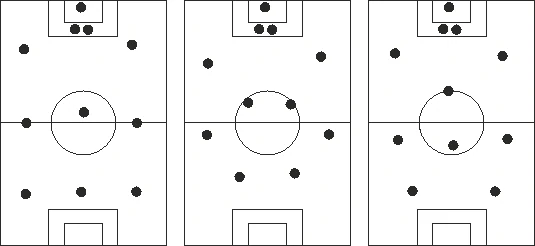
The diagram shows one possible starting formation. The setup remains flexible and can be chosen freely before kick-off.
The key rules at a glance.
Footballec is designed primarily for two players. It can also be played by four, if each player takes the figures on their own half of the pitch.
We recommend two halves of five minutes each.
Before kick-off, the figures are distributed freely across the field. Typical systems are 4:3:3, 4:4:2 or 4:1:3:2. Centre-backs can form a small “wall” as a pair.
The defending figure may be moved in front of the ball, but only up to the distance of one lying figure – in other words 2.5 cm.
When the ball is in play, the closest player may be moved for the action, plus one outfield figure and the goalkeeper. If the ball is out of play or the game restarts after a goal, multiple figures may be moved.
A figure of the ball-carrying team may not be moved behind the last defender. This does not apply if the attacking figure is closer to the ball.
Throw-ins are not thrown. The ball is brought back into play by flicking it in, and the figure taking the throw-in returns afterwards to its original position.
Corners are played normally. Optionally, you can agree that after five corners a penalty follows.
A foul occurs when an opposing figure is knocked over during play by a body part or by clothing.
If the ball lies exactly between two figures, it is thrown in again at the last position between them. The figure the ball ends up closer to continues play.
For a penalty, the goalkeeper must be on the goal line. It may lie down or lean against the goal structure. If the penalty is not converted, the action ends and the defending player restarts play.
A goal does not count if it is shot directly from your own half. It does count if the shot comes from the attacking half and the ball is then deflected on the defending team’s half.
A figure may pass or shoot, but may not push the ball along in front of itself. If the first attempt fails and the ball remains closer to the same figure, it may play again. If the second attempt also fails, the opponent takes over from the ball’s current position.
Whether in a child's room, with friends or during a relaxed games afternoon, Footballec brings people back to one table.